February 27, 2026

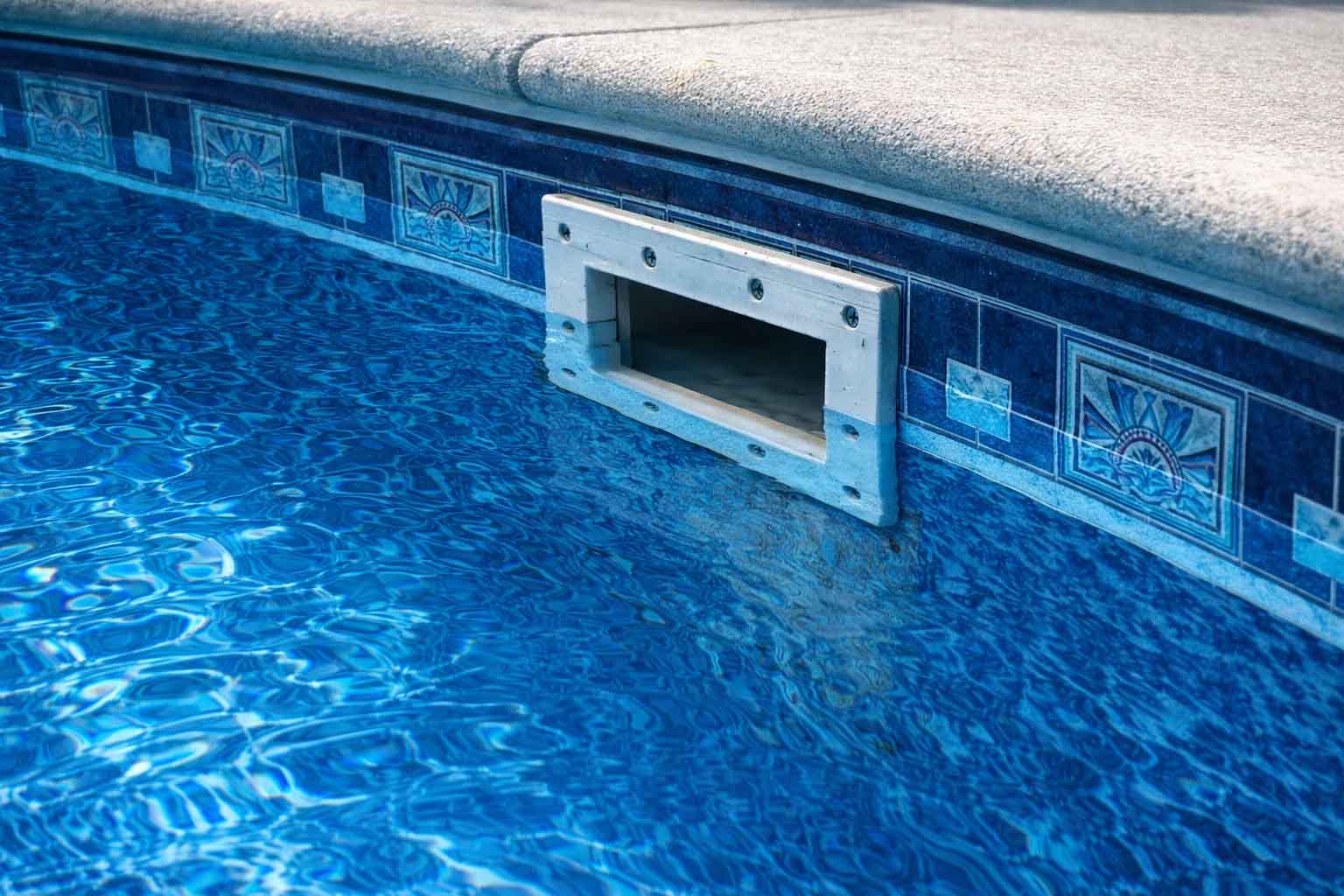
If you own a pool in Phoenix, noticing the water level dropping can be a little unsettling. The good news is that not all water loss means you’ve got a leak. In fact, some level of water loss is completely normal in the desert. The key is knowing what’s expected—and when it’s time to take a closer look.
Phoenix pools lose water faster than most parts of the country. Between extreme heat, low humidity, and long hours of direct sun, evaporation is constant.
On top of that, there are a couple of everyday factors that contribute to water loss:
In peak summer, it’s normal for a pool to lose ¼” to ½” of water per day, sometimes more during heat waves. That’s why most homeowners find themselves topping off their pool regularly, either manually with a hose or through an auto-fill system.
As long as the water loss is gradual and consistent, and you’re not seeing other issues, it’s usually nothing to worry about.
The red flag is when your pool starts losing water faster than expected or requires constant refilling.
Signs you may have a leak include:
At that point, it’s worth investigating further.
Leaks can happen in a few different places, and some are more common than others:
In many cases, leaks develop slowly and worsen over time, which is why they’re not always immediately obvious.
Before calling in a professional, there are a couple of simple tests homeowners often use to narrow things down.
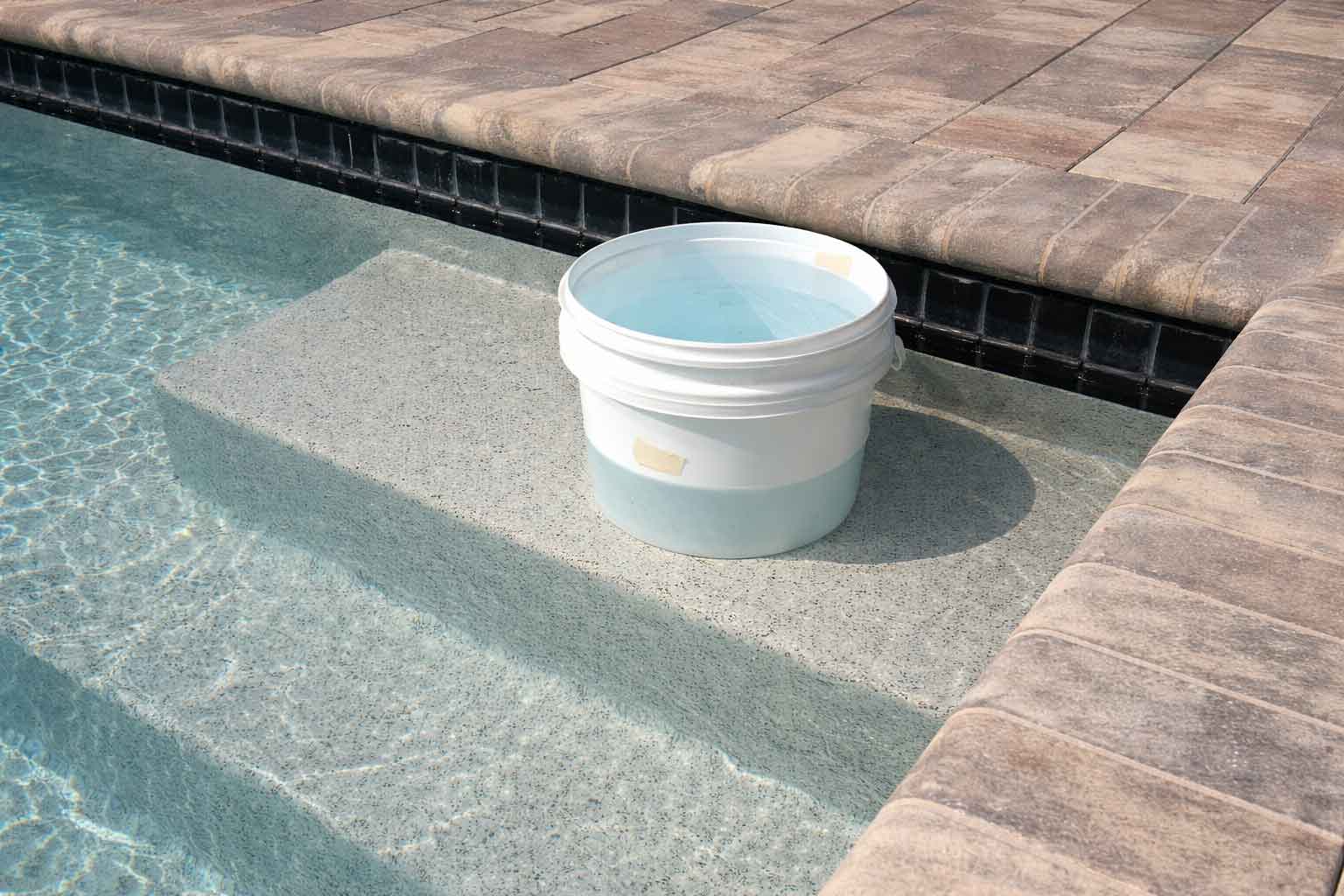
This is the most common starting point.
If the pool water drops more than the bucket water, you’re likely dealing with a leak rather than just evaporation.
Take a walk around your pool and equipment area and look for:
These steps can help confirm whether you’re dealing with something beyond normal water loss.
If the basic tests suggest a leak but you can’t pinpoint the source, it’s time to bring in a professional.
Leak detection specialists use tools and techniques that go far beyond what’s possible with a visual inspection, including:
This allows them to locate leaks accurately without unnecessary digging or guesswork.

It’s tempting to top off the pool and put it off, especially if the water loss seems manageable. But leaks don’t fix themselves, and over time, they tend to get worse.
Ignoring a leak can lead to:
What starts as a relatively minor repair can turn into a much larger and more expensive issue if left unchecked.
Once a leak is located, the next step is determining how to fix it. Some leaks—like those in fittings, seals, or accessible plumbing—can often be repaired without major disruption.
Others, such as underground plumbing or structural issues, may require more involved work.
Aqua Harmony Pools provides expert leak detection services and can handle repairs for accessible leaks without the need for invasive work. For more complex issues, such as underground plumbing or structural repairs, we can also point you in the direction of trusted local contractors who specialize in those types of fixes.
Water loss is part of owning a pool in Phoenix, but excessive loss is something you don’t want to ignore. Understanding what’s normal, knowing how to test for a leak, and taking action early can save you time, money, and frustration.
If your pool seems to be losing more water than it should, it’s worth taking a closer look—and when needed, bringing in the right help to get it resolved properly.

This article explains how to tell the difference between normal water loss and a potential leak in your Phoenix pool, covering common causes like evaporation, splash-out, and equipment use, as well as warning signs of leaks. It outlines simple DIY methods for detecting leaks, when to call in a professional, and why addressing leaks early can prevent costly damage, along with how Aqua Harmony Pools can help with detection and repair.
.png)

