January 14, 2026
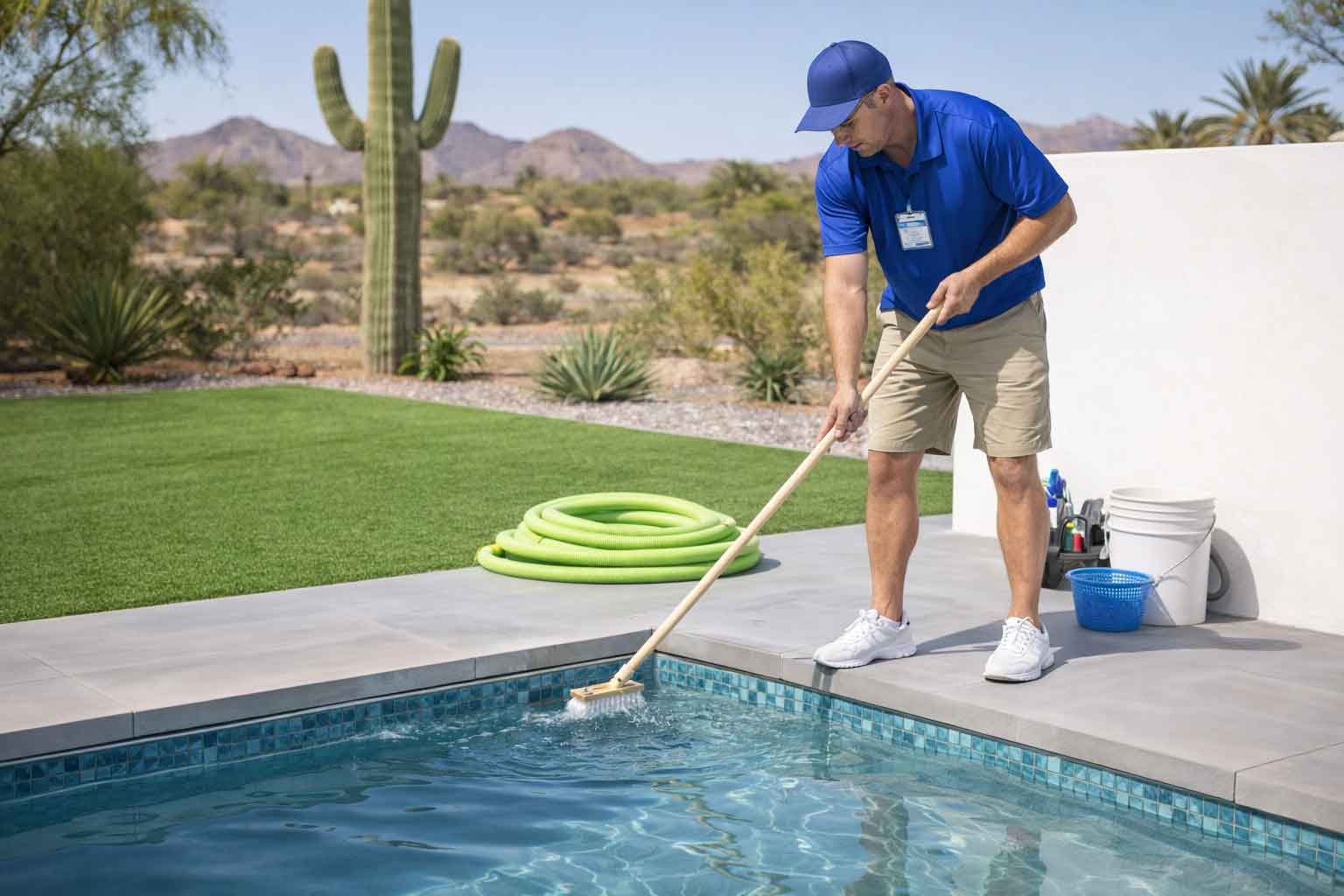
When most Phoenix pool owners think about cleaning, they think about vacuuming the floor or skimming the surface. Brushing the walls, steps, and tile tends to get overlooked, usually because everything looks clean at a glance. The reality is that brushing is one of the most important parts of maintaining a pool in the desert, and it’s often the difference between water that looks fine and a pool that actually stays clean, smooth, and inviting over time.
In a climate like Phoenix, where heat, dust, and intense sunlight are constant factors, brushing isn’t just cosmetic—it’s preventative maintenance.
Phoenix pools deal with a unique combination of conditions:
Even when your water chemistry is balanced, your pool surfaces are still vulnerable to buildup. Dust and microscopic debris cling to walls and steps, creating the perfect environment for algae to begin forming. Without brushing, that layer stays in place and continues to develop.
Brushing breaks that cycle by physically removing and loosening material before it has time to take hold.
Algae doesn’t typically appear overnight as a visible problem. It starts as a thin, nearly invisible film along the pool walls, steps, and waterline. In Phoenix’s warm water, that film can establish itself quickly, especially in areas with reduced circulation or shade.
Routine brushing disrupts that early formation before it turns into something more noticeable and harder to manage. It’s one of the simplest ways to stay ahead of algae rather than reacting to it after the fact.
Common trouble spots include:
These areas don’t always get enough natural circulation, which makes brushing even more important.
One of the most common complaints homeowners notice isn’t how the pool looks—it’s how it feels.
If you’ve ever stepped into your pool and felt a slight slick or slimy texture on the steps or walls, that’s early-stage algae or biofilm buildup. The water may still look clear, but the surface is telling a different story.
This is especially common in aggregate finishes, where the textured surface gives algae something to grab onto. Regular brushing removes that buildup before it becomes more widespread and more difficult to eliminate.
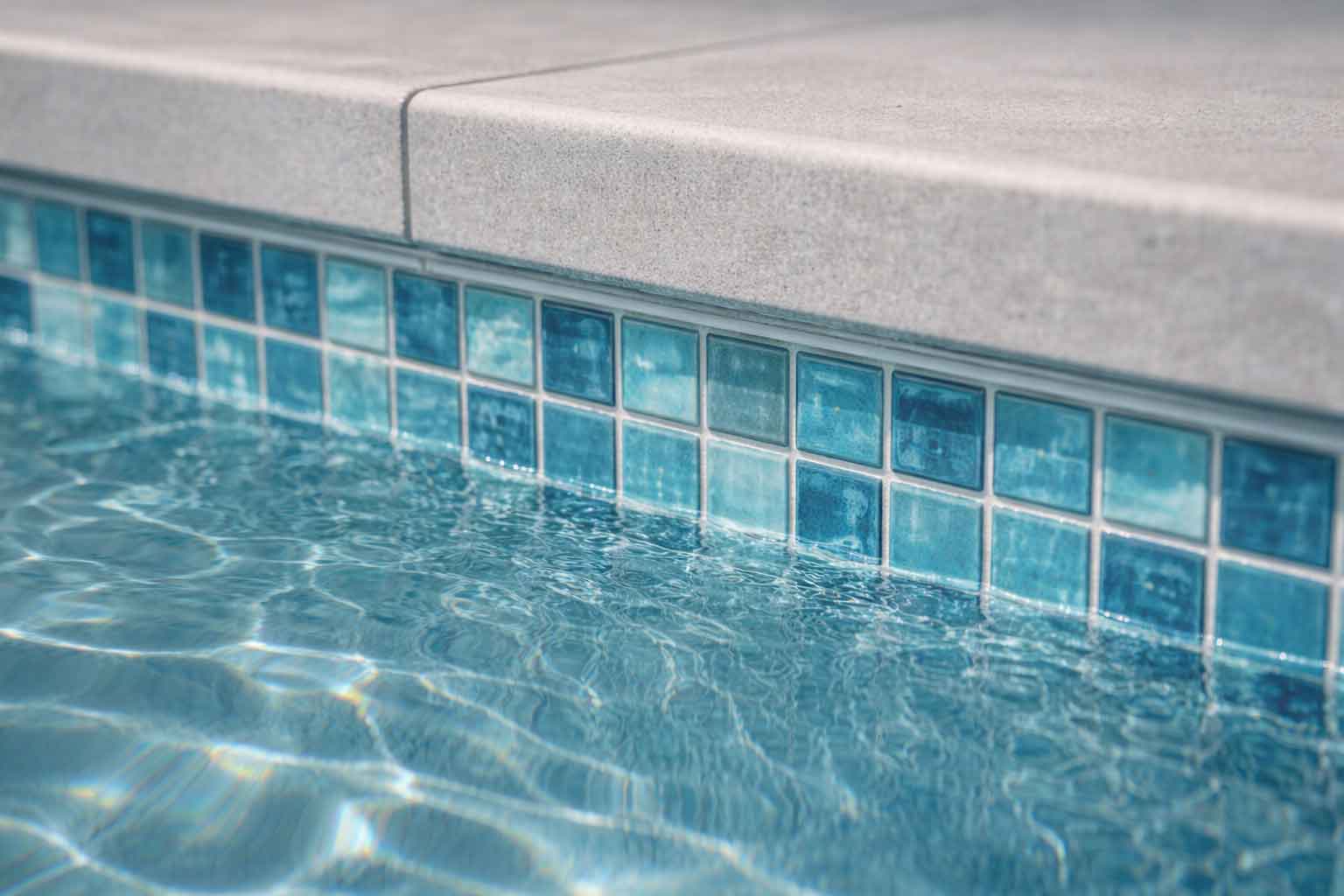
Brushing isn’t just about preventing problems—it also plays a big role in preserving how your pool looks over time.
In Phoenix, high evaporation rates concentrate minerals in the water, which can lead to calcium buildup and staining, particularly at the waterline. Dust and oils can also accumulate on tile and along coping if left unattended.
Routine brushing helps:
A pool that’s brushed regularly simply looks sharper and more inviting. It maintains that “fresh” appearance instead of gradually dulling over time.
There’s a popular misconception that full tile pools are lower maintenance because of their smooth, durable finish. While tile does resist staining and wear better than many other surfaces, it still requires regular brushing.
Brushing a tile pool helps:
Without routine brushing, even a high-end tile interior can start to look cloudy or lose its visual appeal.
For pools with plaster, pebble, or quartz finishes, brushing is equally important for both appearance and longevity.
These surfaces are slightly textured, which means they can trap debris and provide a foothold for algae if not maintained. Over time, that can lead to staining, uneven coloration, and that slippery feeling underfoot.
Regular brushing:
In Phoenix, where calcium levels tend to be higher and water evaporates quickly, staying ahead of buildup is especially important for preserving the integrity of these finishes.
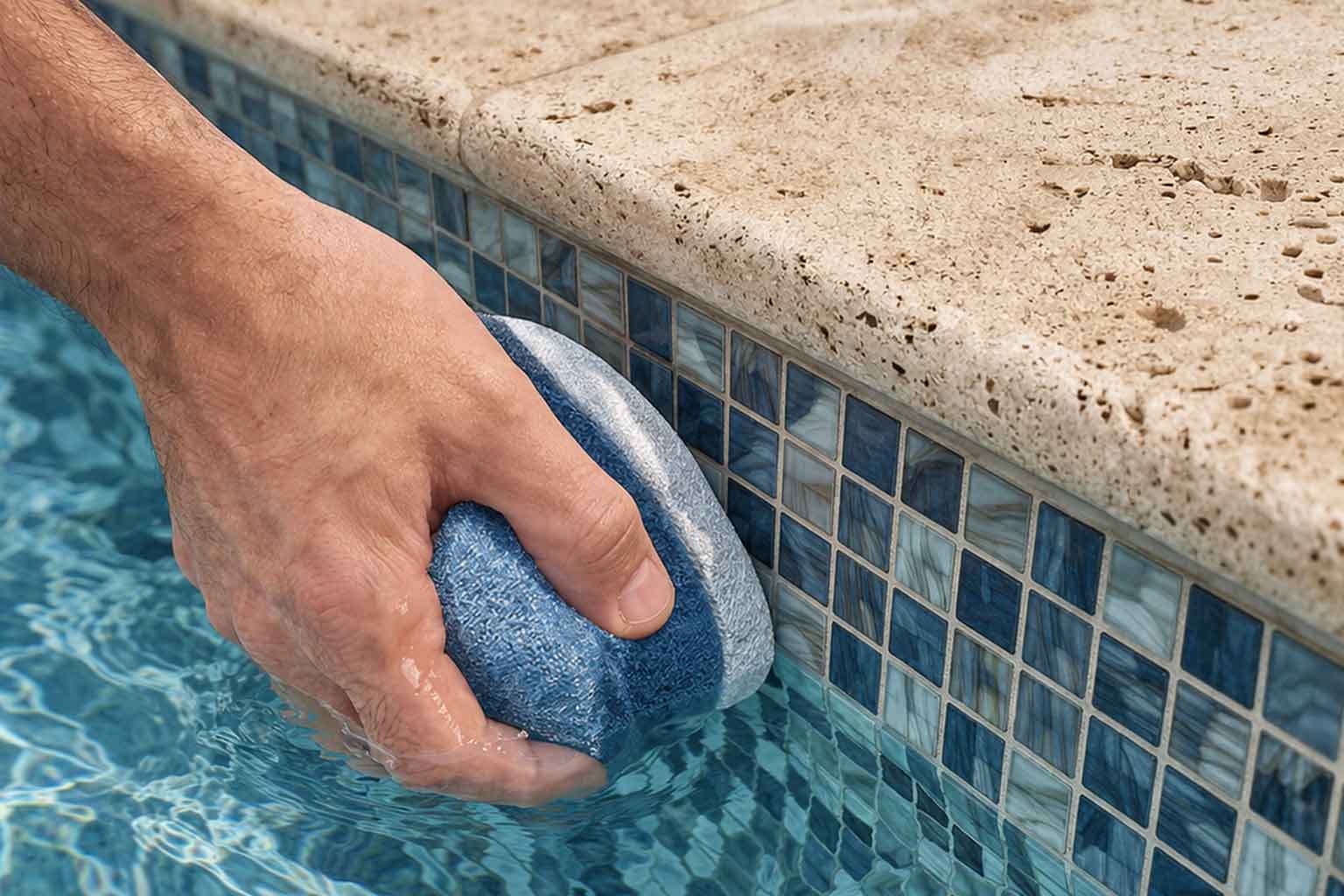
The frequency depends on usage, surroundings, and time of year, but a general guideline works well for most homeowners:
It’s also a good idea to brush:
Consistency is what makes the difference. Waiting until there’s a visible issue usually means more work later.
When brushing your pool, it’s not just about covering ground—it’s about targeting the right areas.
Pay close attention to:
These are the spots where buildup tends to start and where brushing has the most impact.
Using the correct brush for your pool surface matters.
Using a brush that’s too stiff can cause unnecessary wear, while one that’s too soft may not effectively remove buildup.
Brushing doesn’t remove debris on its own—it lifts it into suspension so your filtration system can do its job.
Without brushing, that material stays stuck to surfaces, where it can continue to grow or harden into scale. When brushing is part of your regular routine, it supports the entire system and helps maintain clearer, healthier water.
Like most aspects of pool care in Phoenix, brushing needs to adapt to the season.
The goal is to stay ahead of buildup rather than reacting to it.
Brushing your pool may not be the most noticeable part of maintenance, but it’s one of the most important. It prevents algae before it starts, protects your pool’s surfaces, and keeps everything looking and feeling the way it should.
In a desert environment like Phoenix, where dust, heat, and mineral content all work against you, a consistent brushing routine goes a long way toward maintaining a clean, inviting pool. And when it’s done regularly as part of a weekly maintenance routine, it becomes one of the simplest ways to protect your investment over the long term

This article explains why regular pool brushing is essential in Phoenix, helping prevent algae, remove dust buildup, and protect your pool’s surfaces. It covers how often to brush, where to focus, and how brushing keeps your pool clean, smooth, and looking its best year-round.
.png)

