June 10, 2026

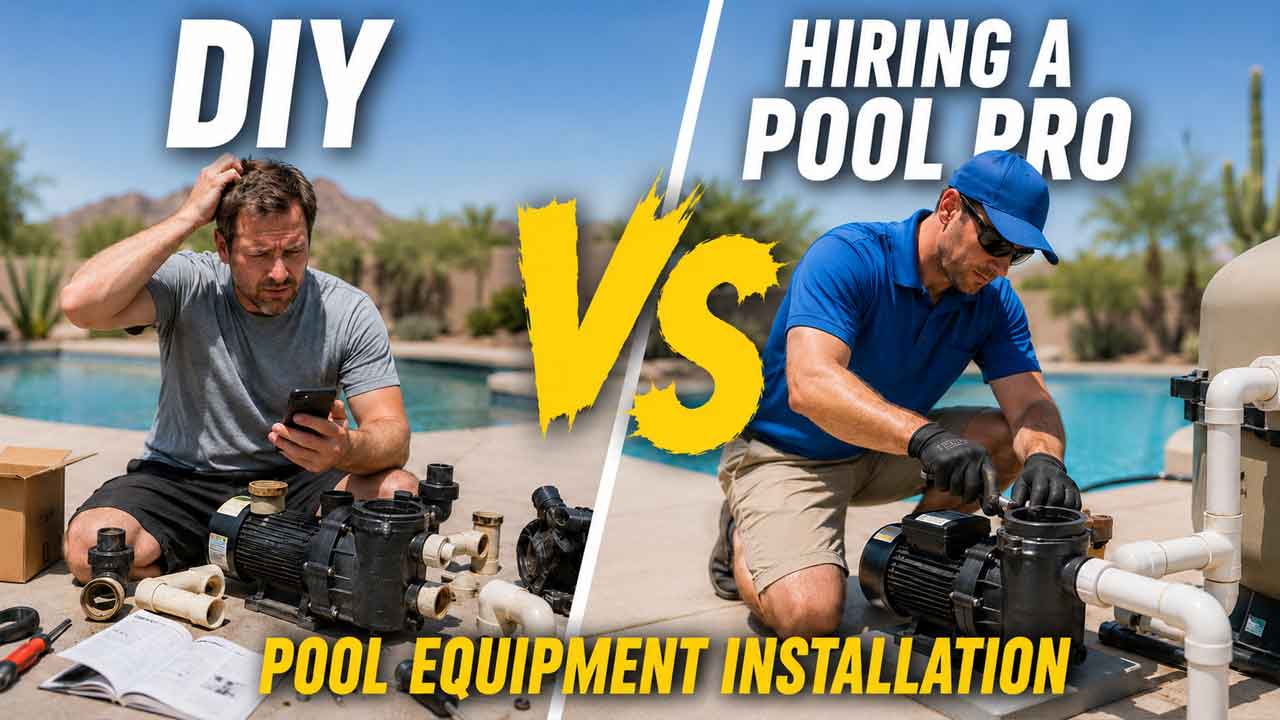
Pool ownership has never been more accessible. Today, you can order just about any piece of pool equipment online, watch a handful of YouTube tutorials, and have a new variable-speed pump or automation controller delivered to your doorstep in a couple of days. Big box stores and online retailers make it look easy.
And to be fair—it is possible. Plenty of mechanically inclined homeowners successfully install their own pool pumps, filters, lights, salt systems, and automation equipment every year. If you pull it off without a hitch, congratulations.
The real question isn't whether you can install your own pool equipment. It's whether it's worth gambling thousands of dollars in equipment—and potentially creating electrical, plumbing, or safety issues—to save a few hundred dollars on professional installation.
When it comes to your pool, hiring an experienced professional is almost always the smarter investment.
There are plenty of things people could do themselves.
You probably could represent yourself in court.
You probably could attempt to install a new transmission in your vehicle.
Neither sounds like a great idea based on simply watching a few how-to videos.
Pool equipment installation falls into that same category. It requires a combination of technical knowledge, practical experience, and craftsmanship that most homeowners simply don't develop from watching a few online videos.
Modern pool equipment isn't just "plug and play." Every component has to work together as part of a complete hydraulic and electrical system.
One mistake can lead to leaks, equipment failure, poor circulation, electrical hazards, or expensive repairs that far exceed the original installation cost.
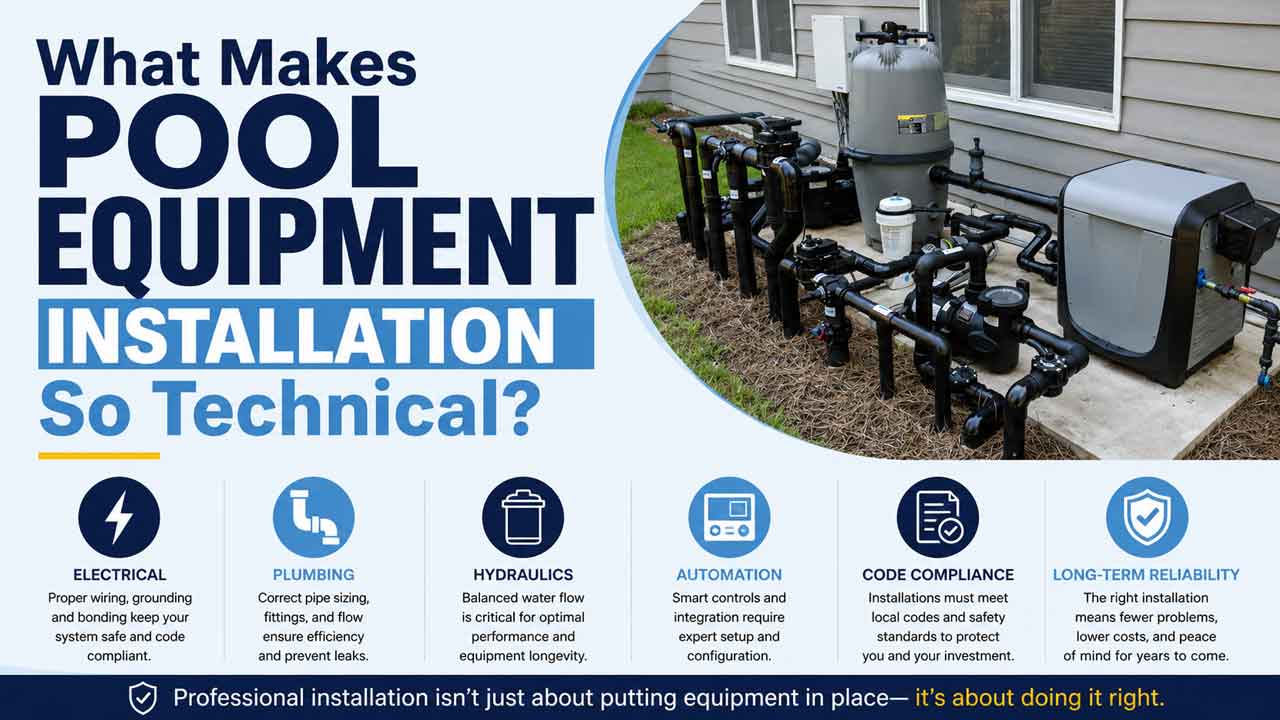
Professional pool technicians don't simply bolt equipment into place. They're designing a system that performs efficiently, safely, and reliably for years.
Here's what goes into every installation.
Not every pump works on every pool. Neither does every filter, heater, salt system, or automation controller.
Professionals evaluate factors like:
Installing an oversized pump can waste electricity and shorten equipment life. Installing an undersized filter can lead to poor water quality. Pairing incompatible equipment together can reduce performance or prevent systems from working properly altogether. Professionals know how the entire equipment pad functions as one integrated system.
This is the part many homeowners underestimate. Installing pool equipment isn't just connecting a few pipes.
It requires:
Some people naturally have these skills. Others simply don't. There's no shame in recognizing the difference. Professional installers spend years developing the craftsmanship needed to produce clean, durable installations that are easy to service later.
This is arguably the most important part of the entire installation.
Many pieces of pool equipment require:
Mistakes here aren't just inconvenient. They can damage expensive equipment, create fire or electrical hazards, cause leaks that damage your home, or result in equipment operating unsafely. Electrical work around water should never be taken lightly.
Today's pools are smarter than ever. Installing automation isn't just mounting a control panel.
Professionals also configure:
Proper programming helps maximize energy efficiency while extending equipment life.
Every city has building and electrical requirements. Manufacturers also have strict installation guidelines that must be followed.
Professionals understand:
An improperly installed heater or pump may not only perform poorly—it could also void the manufacturer's warranty.
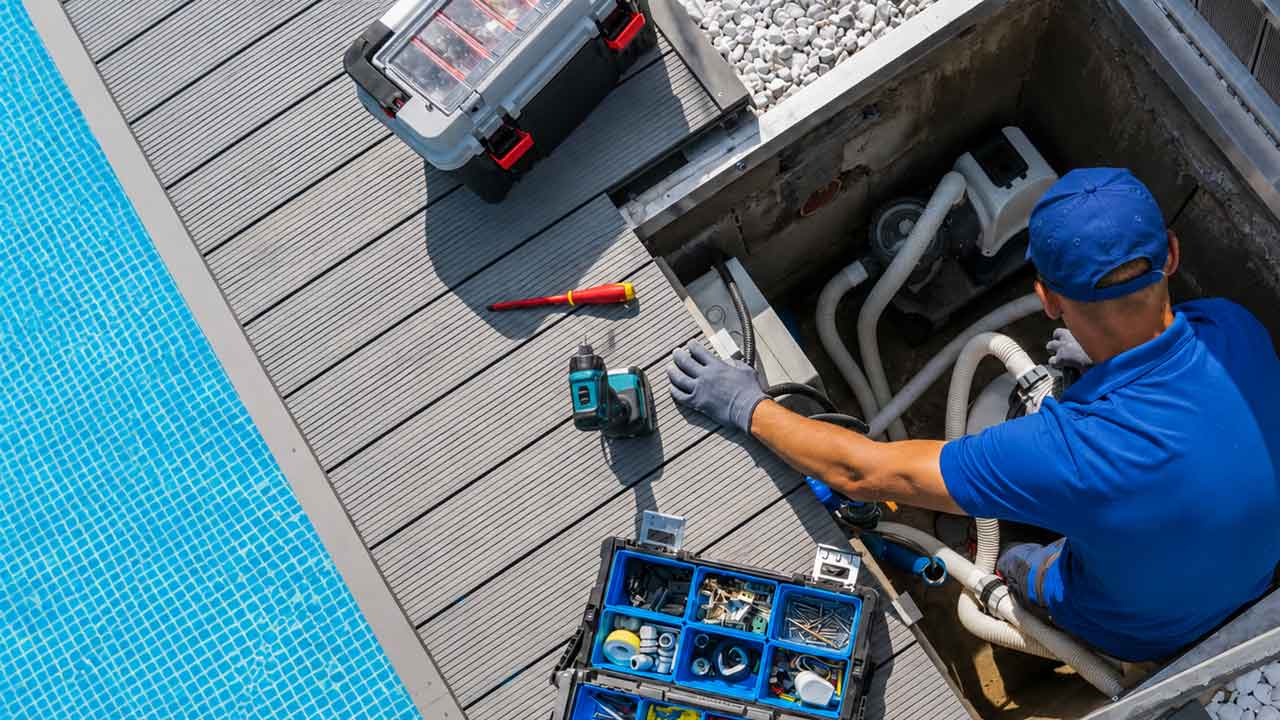
One of the biggest advantages of hiring a pool professional is experience.
They install this equipment every single day.
Pool pros have seen nearly every plumbing configuration imaginable.
They know what works.
More importantly, they know what doesn't.
Professional installers are also typically:
That experience translates into cleaner installations, fewer callbacks, and greater long-term reliability.
This is something many homeowners don't think about until something breaks. When you purchase pool equipment online and install it yourself, warranty coverage may be limited depending on the manufacturer and product.
Many manufacturers offer enhanced warranty protection when equipment is purchased through and installed by an authorized professional. In many cases, labor coverage may also be included if qualifying equipment fails during the warranty period.
That added protection can save hundreds—or even thousands—of dollars if a component ever needs to be repaired or replaced. Always review the manufacturer's warranty terms, as coverage varies by brand and product.
Professional installation isn't just about convenience. It's about confidence.
Confidence that:
That's difficult to put a price on.
Arizona's extreme summer heat places tremendous demands on pool equipment. Pumps run longer, filters work harder, and homeowners depend on reliable systems to keep their pools clean and comfortable throughout the season.
If you're upgrading your equipment, replacing an aging pump, installing automation, adding a heater, or modernizing your entire equipment pad, trust the professionals at Aqua Harmony Pools.
Their experienced technicians understand how to properly size, install, and configure pool equipment for Phoenix's unique climate. From plumbing and electrical connections to programming automation systems, every installation is completed with quality workmanship and attention to detail.
Rather than spending your weekend troubleshooting wiring diagrams or wondering whether every connection is correct, let Aqua Harmony Pools handle the installation so you can enjoy your pool with confidence.
Because when it comes to protecting your investment—and your family's safety—professional installation is always the right choice.

Thinking about installing your own pool equipment? This guide compares DIY pool equipment installation with hiring a professional, explaining the technical knowledge required to properly install pumps, filters, heaters, automation systems, and more. Learn why equipment sizing, plumbing, electrical work, code compliance, and manufacturer warranties make professional installation the safer, smarter choice for Phoenix homeowners.
.png)

