December 18, 2025
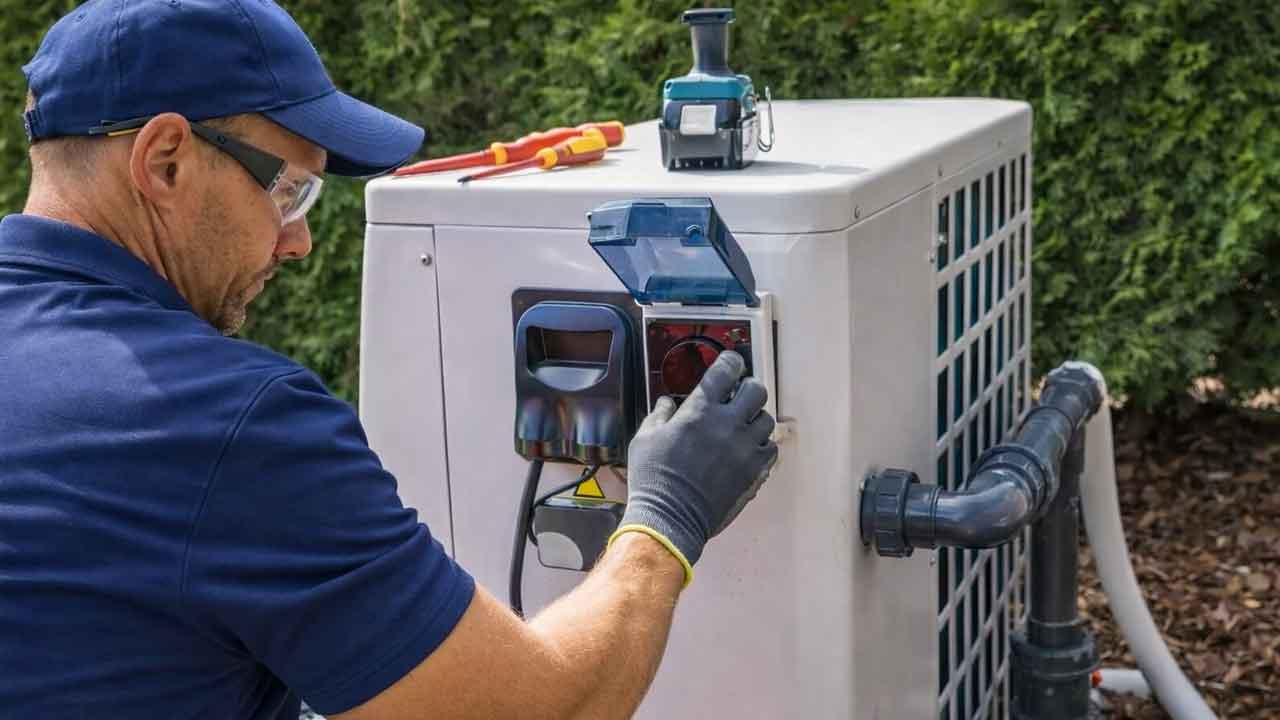
For many Phoenix homeowners, a pool heater transforms a backyard pool into a year-round retreat. Whether you enjoy early-morning laps during winter or relaxing evening swims in cooler months, a reliable pool heater keeps the water comfortable no matter the season.
Like all pool equipment, heaters require regular maintenance to perform efficiently, avoid breakdowns, and last as long as possible. In Phoenix’s climate—where hard water, desert dust, and extreme temperature swings are common—understanding proper heater care and knowing when to schedule pool heater repair in Phoenix is essential.
This guide explains how pool heaters work, common problems homeowners face, warning signs of trouble, maintenance best practices, and when professional service is the right call.
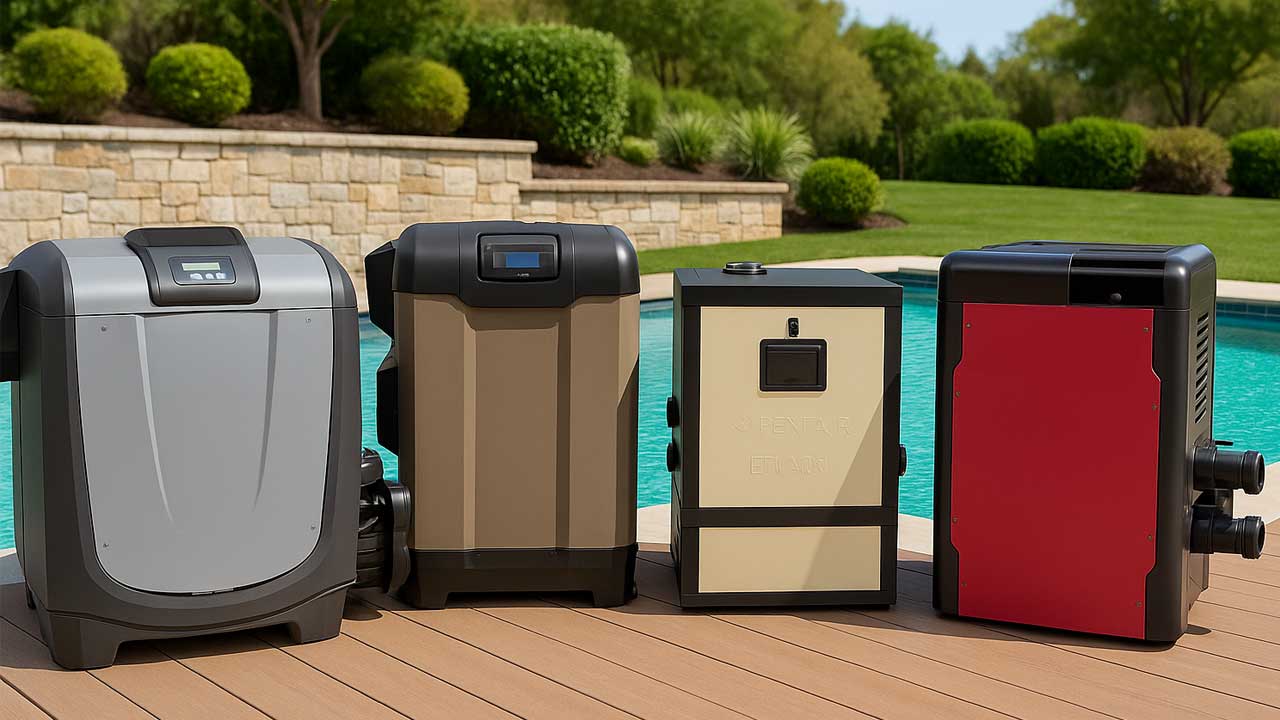
Most residential pools in Phoenix use one of three types of heaters:
Gas heaters use natural gas or propane to heat water quickly. They are powerful, reliable, and perform well even during colder weather.
Heat pumps pull warmth from the outside air and transfer it into the pool water. They are energy-efficient and cost-effective to operate but perform best in moderate temperatures.
Solar heaters use roof-mounted panels to capture sunlight and warm the pool water. They have low operating costs but depend heavily on consistent sunlight.
No matter the type, all pool heaters need regular inspection, cleaning, and maintenance to remain efficient.
Phoenix’s environment can accelerate certain heater issues, including:
Hard water leads to calcium scale forming inside heater components, restricting water flow and reducing heating efficiency.
Dust storms, pollen, and monsoon debris can clog filters or internal passages, causing heaters to shut down or fail to ignite.
Gas heaters rely on igniters, flame sensors, and safety switches that can fail due to dirt, corrosion, or wear.
Dirty filters, blocked skimmers, or failing pumps can trigger flow-related safety shutdowns.
Extreme heat and UV exposure can accelerate wear on wiring, seals, and plumbing connections.
Addressing these issues early with professional pool heater repair in Phoenix helps prevent further damage and costly replacements.
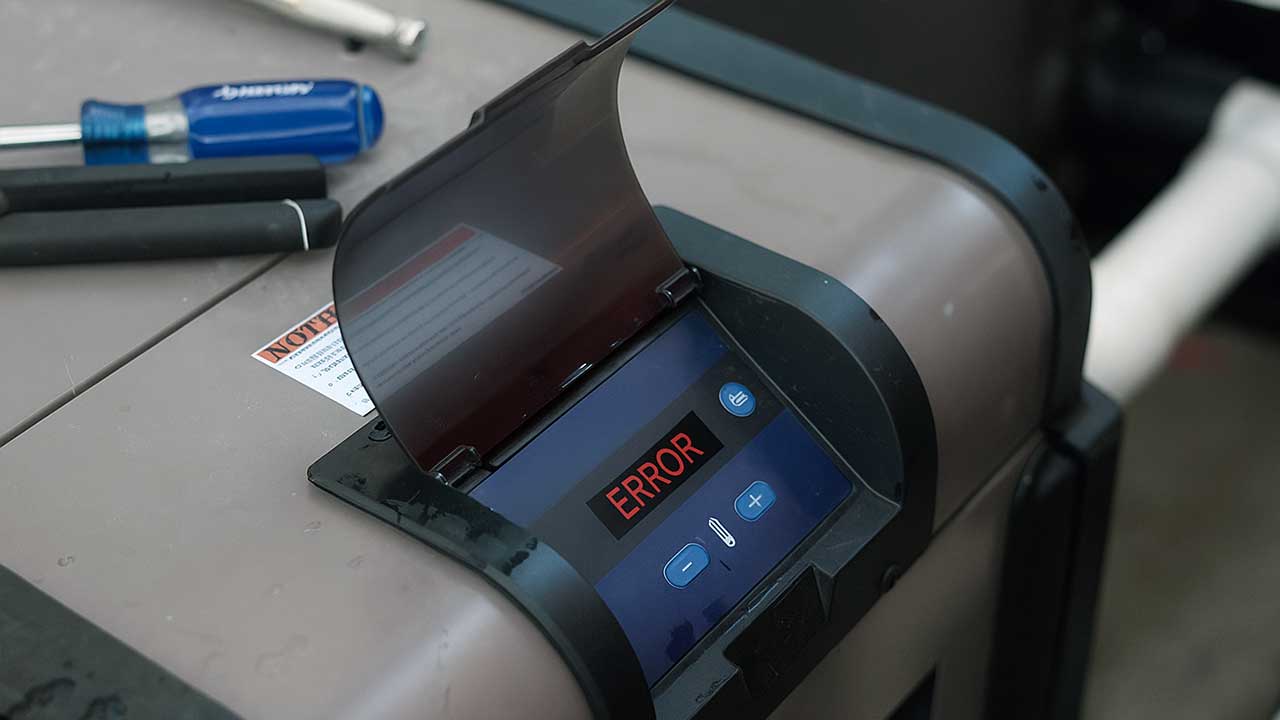
Pool heaters usually show signs of trouble before failing completely. Watch for:
• Water not reaching the set temperature
• Longer-than-normal heating times
• Frequent shutdowns or error codes
• Clicking, rumbling, or unusual noises
• Visible leaks or corrosion
• Weak water flow
• Rising energy bills without increased use
If you notice any of these issues, scheduling a diagnostic inspection can save money and prevent bigger problems.
Routine maintenance is the best way to extend heater life and maintain performance.
Balanced water prevents scale and corrosion. Regularly check:
• pH
• Total alkalinity
• Calcium hardness
Restricted flow is one of the most common causes of heater failure. Keep filters, skimmers, and pump baskets clean.
Remove leaves, dust, and debris around the heater to ensure proper airflow and ventilation.
Even if the heater seems fine, annual professional inspections help catch small issues early.
Professional descaling removes calcium buildup and restores efficiency, especially important in Phoenix.
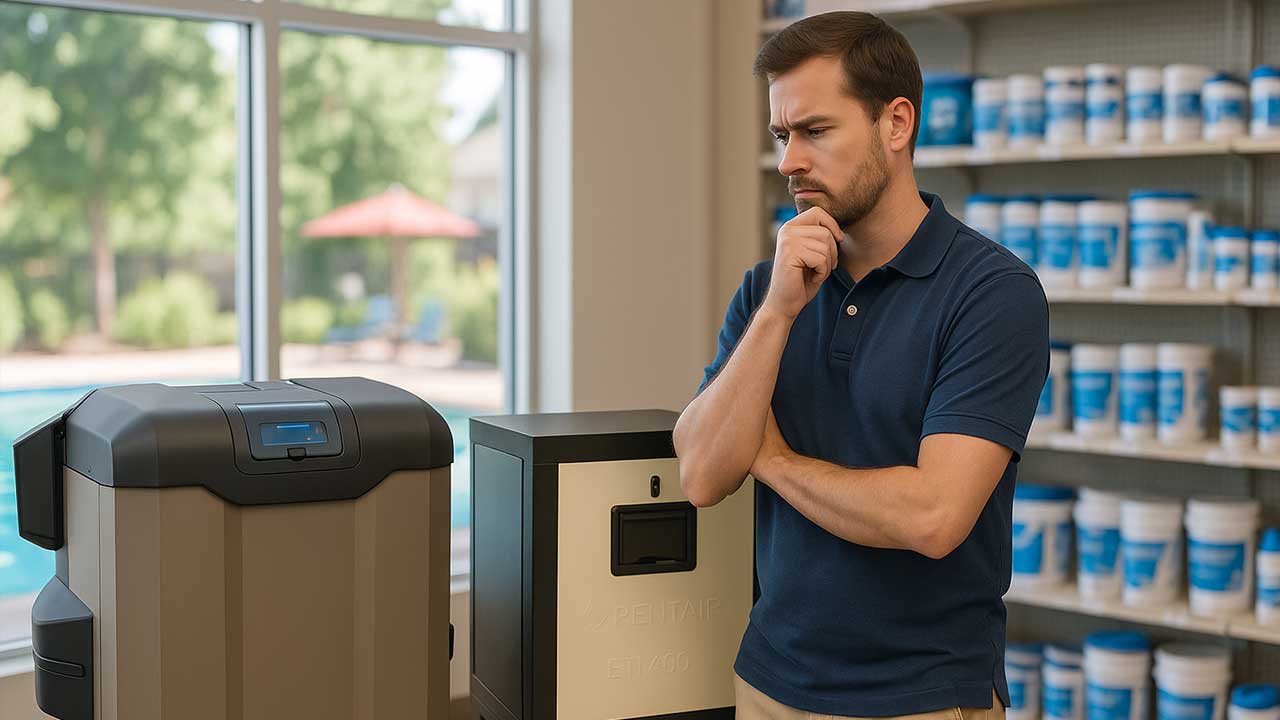
With proper maintenance, typical lifespans include:
• Gas heaters: 7–10 years
• Heat pumps: 10–15 years
• Solar heaters: 15–20 years
Routine service can add years to your heater’s life and delay replacement costs.
Repair may be the better option when:
• The heater is under 8 years old
• The issue is minor (sensor, igniter, small leak)
• The system has been well maintained
Replacement may make more sense when:
• The heater is over 10–12 years old
• Repair costs exceed 50% of replacement cost
• There is significant corrosion or internal damage
• Heating efficiency has noticeably declined
A qualified pool heater repair Phoenix technician can help you decide based on cost and condition.
Pool heaters involve gas lines, electrical components, and sensitive sensors. DIY repairs can cause damage, safety issues, or void warranties. Professional service provides:
• Accurate diagnostics
• Safe, compliant repairs
• System cleaning and descaling
• Calibration and performance testing
• Efficiency recommendations
• Prevention of future breakdowns
Professional care ensures reliable operation and peace of mind.
Aqua Harmony Pools provides expert pool heater repair, maintenance, and inspections for gas heaters, heat pumps, and solar systems. Our technicians understand Phoenix’s unique climate challenges and deliver dependable service to keep your pool comfortable year-round.
If your heater isn’t performing properly or you want to extend its lifespan with routine maintenance, Aqua Harmony Pools is ready to help.

This article explains how pool heaters work, common problems Phoenix homeowners face, and how regular maintenance and timely repairs help extend heater lifespan and maintain efficient performance. It also outlines warning signs to watch for and when to call a professional pool heater repair service in Phoenix.
.png)

